Why is education in emergencies critical?
Read our fact sheet on education for refugee children.
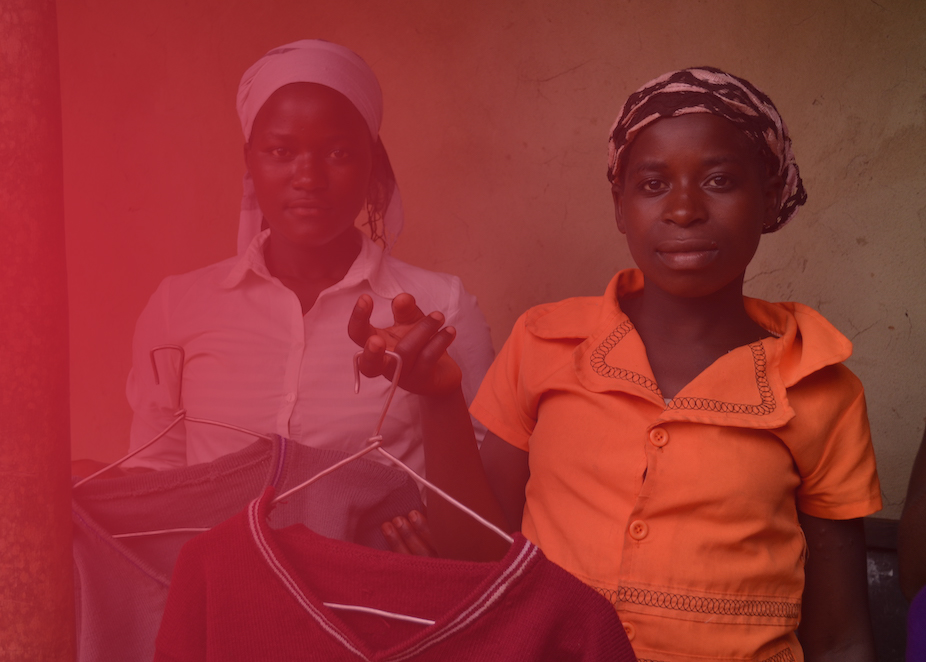
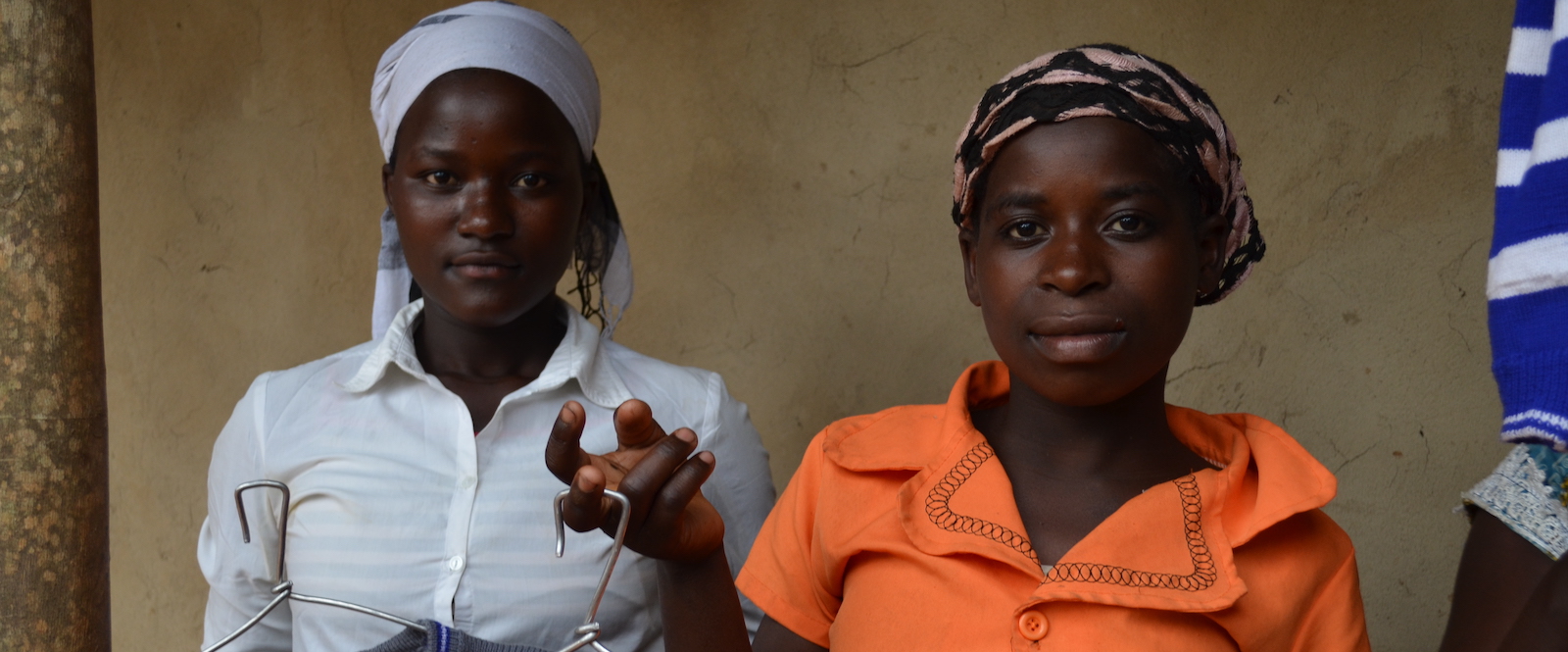
A stable, uninterrupted learning environment during war or in a refugee camp gives children and young people structure and stimulation. It can also make them safer. Going to school can help children recover from the trauma of war and can provide life-saving, practical information on issues such as landmine awareness, HIV/AIDS prevention and basic hygiene and health care. Attending school can also lessen the chance that a child will be recruited into or join a fighting group, face sexual or economic exploitation or become exposed to other risks. For girls, this is particularly important given that they are more often subject to rape and other forms of violence. However, displaced girls of all ages attend school in far lower numbers than boys.
Education for refugees is often neglected
Education for refugees and the displaced is often neglected. Traditionally, education has been seen as a long-term development activity, not a priority in humanitarian emergencies, and has generally not been funded during refugee crises. However, with the length of displacement growing (the current average time of displacement is 17 years), the need for education in refugee settings is urgent.
Responding to the need for education in emergencies and post-conflict countries
In 2004, the Women's Refugee Commission published a Global Survey on Education in Emergencies, which laid out the issues and proposed solutions. A positive advance has been the creation of the Inter-Agency Network for Education in Emergencies (INEE), a global network that works to ensure the right to education in emergencies and post-crisis reconstruction. INEE’s Minimum Standards for Education in Emergencies, Chronic Crises and Early Reconstruction, launched in 2004, lays out the minimum level of educational access and service that children should receive in emergencies through early reconstruction. It’s a universal tool to define a minimum level of education quality for people affected by crisis. Learn more about INEE.
Raising awareness of the right to education
To raise awareness of everyone's right to education, the Women's Refugee Commission created Your Right to Education: A handbook for refugees and displaced communities with funding from the Pearson Foundation. Learn more about this illustrated book for displaced communities all around the world.
Young people not in school are at risk
Without access to school or vocational training, displaced teens may sit idle in camps all day without any constructive activities to fill their time. As is the case anywhere in the world, these youth – with growing frustration and little hope for the future – can become a source of violence and insecurity. Meanwhile, their enormous potential as constructive contributors to their societies goes largely unnoticed and unsupported by the international community. In protracted refugee situations, withholding an education denies an entire generation schooling, literacy and the potential to rebuild their country. Long-term peace building and economic development demands an educated population. Read more about our new initiative on displaced, out-of-school youth.
Teachers need fair pay
During conflicts and the reconstruction period, teachers are often under-paid, paid irregularly or not paid at all. Securing adequate, consistent funding for teacher salaries is critical to the provision of quality education for children and young people in crises. You can learn more about the issue of teacher compensation and what the Women’s Refugee Commission and partners are doing about it at www.ineesite.org/teachercomp.
Education in a crisis: the example of Sudan
Darfur and Southern Sudan are good examples of how education must be available while people are displaced so that those years are not wasted opportunities but time used constructively to prepare young people to contribute to their communities. Click here to learn how the Women’s Refugee Commission is working to promote education in Darfur and Southern Sudan. The Women's Refugee Commission is also partnering with the Population Council to document what impact education has on the well-being of children in conflict situations. Darfur will serve as the case study for the two-year qualitative and quantitative research study. The research will identify measures that make and keep schools safe, as well as factors that lead to insecurity and protection concerns in schools that need to be addressed. Read a brief summary of this project.
|