Home breadcrumb spacer Programs breadcrumb spacer

Displaced Children and Youth Program

Ensuring Opportunities for Displaced Children and Young People

More than 43 million children living in conflict-affected areas don’t have a chance to go to school. Of these, many are doubly disadvantaged by being refugees or displaced within their country’s borders. Girls--whose education and employment opportunities are further limited by gender-based violence and discrimination--are worst-off of all.

Without school or vocational training, displaced teens sit idle in camps all day long, or take their chances working in the informal sectors of urban areas. With growing frustration and little hope for the future, these youth can become a source of violence and insecurity. Meanwhile, their enormous potential to contribute to their families and societies goes largely unnoticed and unsupported by the international community. Read our synopsis of the field-testing of the Market Assessment Toolkit for Vocational Training Providers and Youth.

Education is a human right that children are entitled to regardless of their life circumstances, and it is essential to the development of a stable society. Often, the only hope of people in war-torn regions is that the coming generations will be educated and have the ability to promote peace and sustainable development. Read our fact sheet on education for refugee children.

Investing in Adolescent Girls

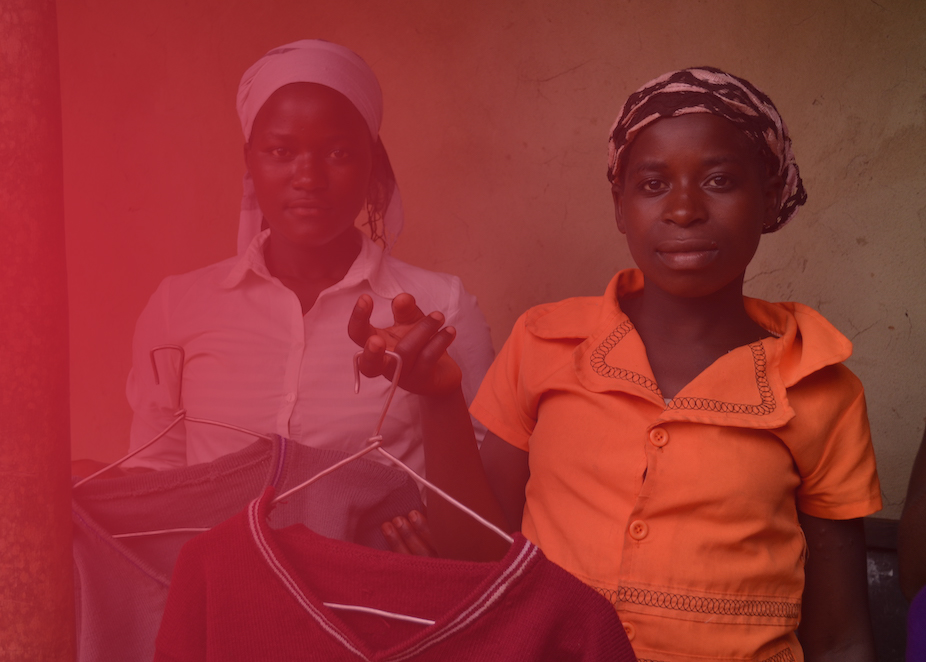
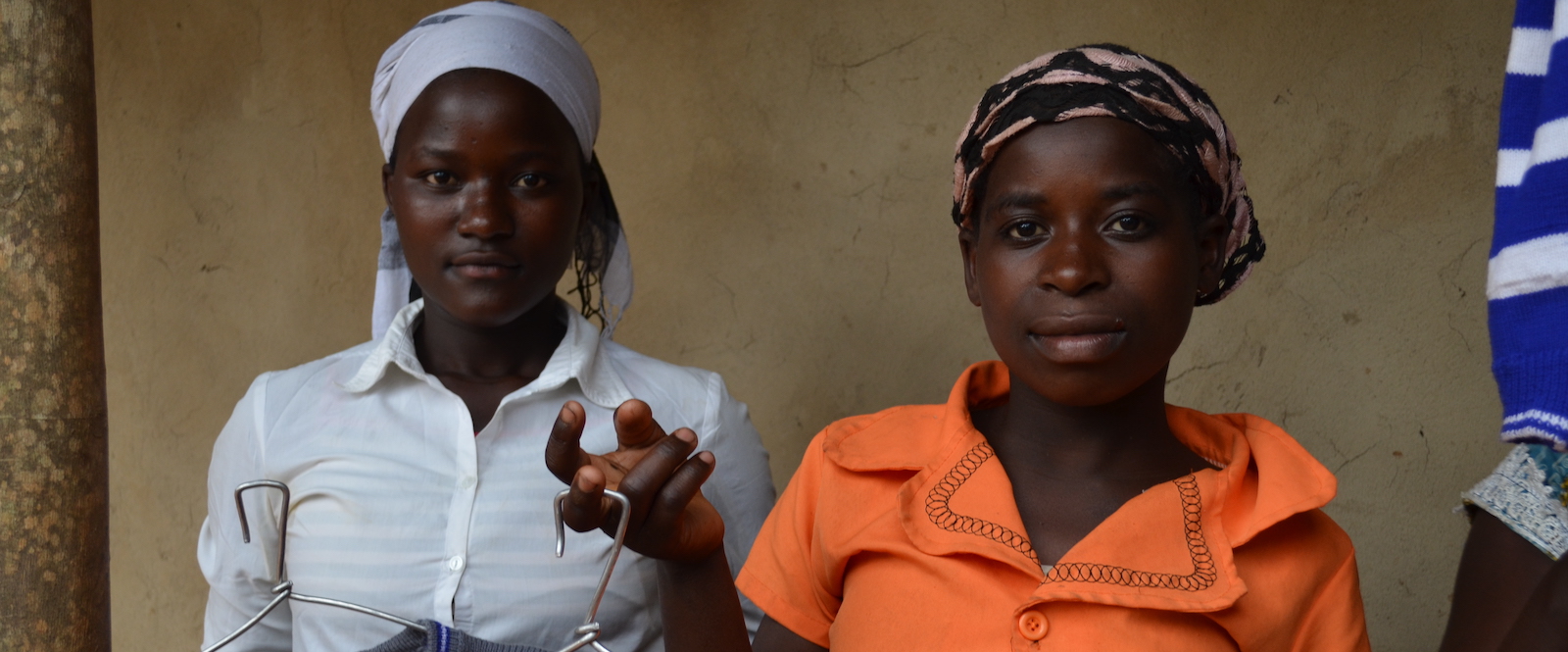
Disadvantaged because of both their age and gender, adolescent girls make up an especially vulnerable and underserved group within displaced communities. They are often at the bottom of social hierarchies in their families and communities, and are denied a say in the decisions that affect their lives. Girls who are kept home from school and forced to marry at a young age often lack the skills and confidence to support themselves, leaving them at risk of exploitation, domestic abuse and physical and sexual assault. Amidst the violence and upheaval of conflicts and humanitarian disasters, these risks increase dramatically--yet adolescent girls' unique needs and potential are often excluded from the agendas of international humanitarian agencies, who tend to classify them with other children or youth. The Women's Refugee Commission is addressing this gap through a new project designed to help empower girls ages 10 to 16 in crisis and post-crisis settings.

The Women’s Refugee Commission’s Youth Program works to ensure that displaced children and youth have opportunities to learn and grow so they can contribute to their communities and be able to one day support themselves and their own families.