
“The threat of famine and severe food insecurity continues to endanger Gaza—endangering women, endangering girls, and endangering all segments of society—as long as the siege persists, border crossings remain closed, restrictions on goods and humanitarian assistance continue, and aid remains insufficient in both quantity and diversity.” — Amal Syam, Co-Chair of Gaza Gender in Humanitarian Action Working Group
It has been more than four months since a ceasefire agreement came into force in Gaza, following two years of destruction, starvation and death—and bringing with it hopes of safety, relief, and recovery for Gaza’s besieged and traumatized population. Yet widespread devastation, ongoing violence, and continued aid restrictions since the ceasefire have meant that—despite the best efforts of humanitarian workers in Gaza—humanitarian needs, especially for women and girls, remain acute. As the US-chaired “Board of Peace” gathers in Washington D.C. this week to seemingly determine Gaza’s future, Palestinian women and girls continue to be excluded from decision-making about their own land. Even more urgently, they are unable to adequately access the food, shelter, medical assistance, and psychosocial support they need to heal from the war.
When the ceasefire agreement came into effect in October 2025, the situation in Gaza was catastrophic. Systems to uphold and protect life—including arable land, water and sanitation facilities, healthcare facilities, homes, and bakeries—had experienced widespread destruction, and the UN Commission of Inquiry concluded that acts of genocide had taken place. Sustained and severe restrictions on humanitarian assistance by Israeli authorities, including total blockades of food assistance, led to starvation, famine, and death, with more than 460 people dying from starvation or malnutrition by the time the ceasefire agreement came into effect.
The impact on women and girls was particularly acute. According to UN Women, more than 1 million women and girls experienced mass starvation at the height of the crisis. Research by the Women’s Refugee Commission (WRC) during that time documented the gendered impacts of famine and starvation in Gaza. Pregnant women were facing heightened risks of pregnancy complications, women-headed households were being excluded from violent and inaccessible militarized aid distributions, and women were starving themselves for days so that their children could eat. In their famine determination in August 2025, the IPC warned that unless food supplies, basic health, nutrition, and WASH (water, sanitation, and hygiene) services were restored and scaled up across all of Gaza immediately, famine would spread and avoidable deaths would increase exponentially.
The ceasefire agreement last October opened a narrow window to rapidly escalate humanitarian response to provide life-saving relief, restore food security, and provide targeted nutrition support to the most vulnerable individuals including pregnant and breastfeeding women, adolescent girls, and children. In the 120 days since the ceasefire, critical progress has been made. We have heard from humanitarian actors who have made important gains in stemming the impacts of starvation and providing gender-responsive food and nutrition support. Women-headed households have been prioritized for cash and food assistance; pregnant and breastfeeding women have been targeted with urgent nutrition support; and women herders and farmers have been engaged in rehabilitation and cash-support programs.
Yet improvements are fragile, and malnutrition has by no means ended. The latest IPC report in December 2025 estimated that in the months following the ceasefire, more than 1.6 million people still faced acute food insecurity, with 37,000 pregnant and breastfeeding women expected to suffer from acute malnutrition. One in five families are still surviving on one daily meal, while nutritious food continues to be scarce and expensive.
Humanitarian responders have emphasized that they have the capacity, goods, networks, and coordination plans necessary to rapidly scale up relief efforts—with the World Food Program confirming that they had enough supplies to feed the entire population of Gaza for three months. However, ongoing violence and severe restrictions on humanitarian access by Israeli authorities have prevented humanitarian assistance from reaching the most vulnerable at the speed and scale required. Continued air strikes, shelling, and gunfire have killed over 590 people in Gaza since the ceasefire agreement, including humanitarian workers. Israel’s continued restrictions on border crossings and the entry of essential relief and recovery items have further hindered humanitarian response efforts, leaving vulnerable people without urgent and lifesaving nutrition support. UN agencies have reported that when food supplies do enter Gaza, a significant portion is spoiling due to prolonged inspection procedures, transport restrictions, and limited electricity for refrigeration. Harmful Israeli legislation restricting the registration and operations of INGOs working in Gaza further risks cutting off entire families from receiving essential nutrition support.
Meanwhile, women-led organizations in Gaza—despite being the best placed to reach women and girls, including women-headed households—continue to be underfunded and sidelined in decision-making about the future of Gaza.
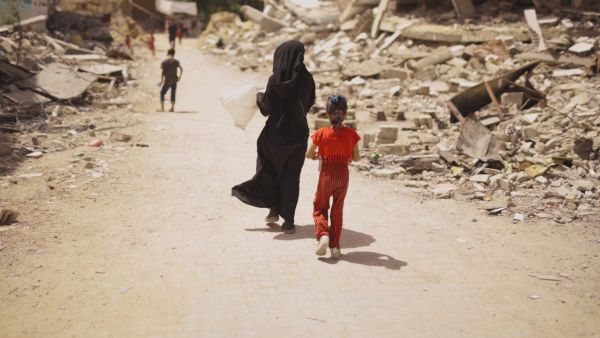
Continued violence and restrictions on humanitarian access will cause ongoing and disproportionate harm to women and girls, as they struggle to safely access aid or navigate crowded food markets, and as they face unique harms and risks from continued food insecurity—including malnutrition, gender-based violence, and higher rates of early marriage.
Women, girls, and women-led organizations should not just be considered or included; they must lead relief, recovery, and reconstruction in Gaza. Donors must scale up flexible and sustainable funding to women-led organizations. Policy makers must apply pressure to Israeli authorities to abide by international law and ensure full and protected humanitarian access into and across Gaza. Humanitarians must ensure relief is targeted and accessible for women and girls. And long-term relief and reconstruction efforts must involve the leadership, expertise, and decision-making of Palestinian women in Gaza.
Critical progress has been made to stem the spread of famine, but the underlying drivers that created catastrophic hunger remain dangerously close to the surface. Famine prevention cannot be considered the finish line—it is rather the bare minimum. The standard we should hold ourselves to now is whether aid is delivered with dignity and safety to everyone who needs it, whether households regain stability, and whether women and their families are able to meaningfully rebuild their lives and communities.