Home breadcrumb spacer Programs breadcrumb spacer Children and Youth breadcrumb spacer

Untapped Potential: Displaced Youth


thb_girls
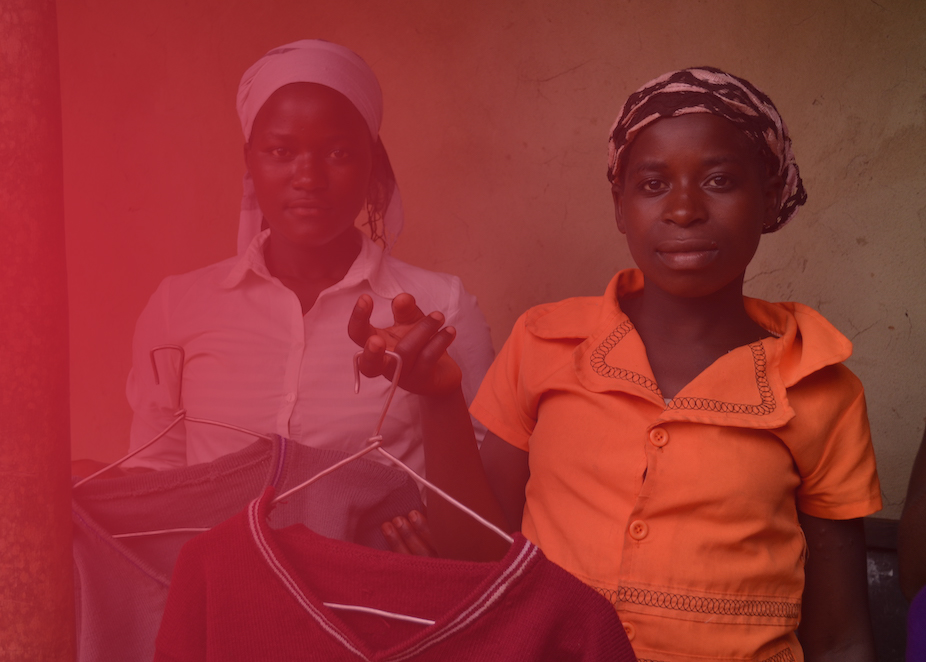
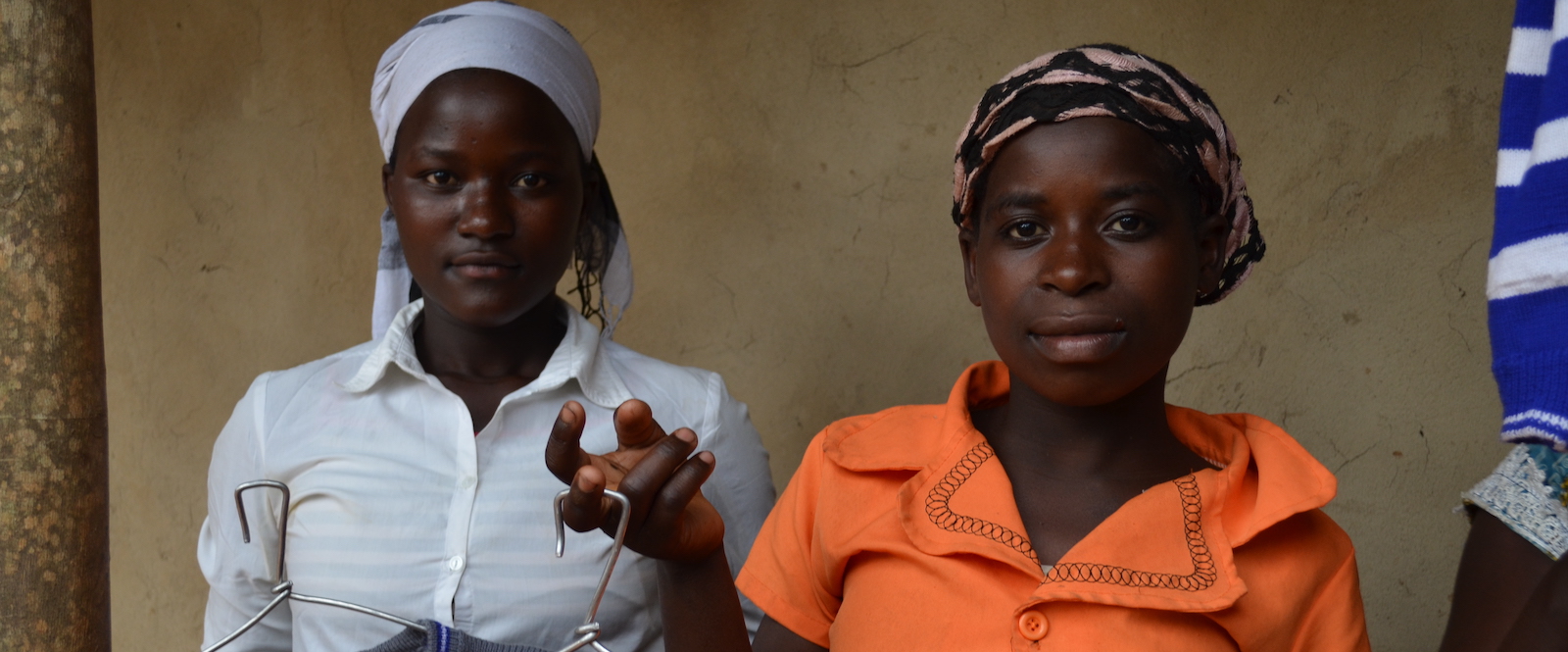
Refugee girls on the Thai-Burma border. Photo by Julia Matthews

Youth, a stage of life marked by uncertainty, change and challenge, is also a time of enormous potential, enthusiasm and energy.  Young people make choices based on available opportunities to plan for their transition to adulthood.

Young people ages 10 to 24 make up over 30 percent of the world's 42 million displaced by armed conflict. They have few opportunities and, as a result, are often idle, poor and sometimes violent. They are vulnerable to sexual and economic exploitation and recruitment into armies and militias.

Despite these challenges, young people show tremendous resilience and ability to survive. They are crucial actors in post-conflict reconstruction and in the rebuilding of peaceful, more tolerant communities. They can help other young people through peer-to-peer training. And they are the leaders of tomorrow; their rights and needs must be recognized and their skills nurtured and developed to ensure a brighter future.

Young people miss out on education, skills training

In research the Women’s Refugee Commission undertook with displaced adolescents between 1999 and 2005, we found that:

  • Young people have few opportunities for secondary and non-formal schooling (less than 6 percent of the world’s teenage refugees, for example, attend school beyond primary school) or for developing skills that will enable them to get jobs.
  • Girls and young women have even greater difficulties accessing primary and secondary schooling and non-formal education than boys and young men.
  • Young people have almost no opportunities to work or use the skills they possess.
  • International humanitarian efforts seldom target youth. They are rarely consulted or allowed to participate in decisions affecting their lives.

Read our fact sheet on displaced youth for more information.

Women’s Refugee Commission: Displaced Youth Initiative

In January 2008, the Women’s Refugee Commission launched a new, three-year global research and advocacy initiative, Tapping the Potential of Displaced Youth, which aims to increase attention and support for comprehensive education and job training programs that help prepare young women and men for life during and after displacement. In partnership with displaced youth, the Women’s Refugee Commission will map existing services and innovative practices; identify gaps, needs and priorities of the displaced youth; and recommend strategies to meet educational and job training needs. As a part of this project, the Women’s Refugee Commission has formed a global Youth Advisory Group (YAG), comprised of young people from conflict-affected countries to help guide and inform the initiative.

Resources

Schooling and Conflict in Darfur: A Snapshot of Basic Education Services for Displaced Children
(April 2010)

The Women's Refugee Commission partnered with the Population Council to provide a more accurate picture of the state of formal and non-formal education for displaced children of primary school age (6-14) in North and West Darfur.

Living in Limbo: Iraqi Young Men and Women in Jordan
(December 2009)

As part of a global, multi-year research and advocacy project focused on strengthening educational and job training programs for displaced, conflict-affected young people, the Women's Refugee Commission undertook a field mission to Jordan  to look at the education and skills-building needs and opportunities of young Iraqi men and women.

Life in the Promised Land: Resettled Refugee Youth Struggle in the U.S.
(October 2009)

The Women's Refugee Commission's traveled to Phoenix, Arizona in August, 2009, to learn about young people's experience resettling in the U.S. The delegation looked at what educational and skills training programs young people had access to while they were displaced that helped with their transition to the U.S. The aim was to learn what more could be done during displacement to better prepare refugee youth for life in the United States.

Dreams Deferred: Educational and Skills-building Needs and Opportunities for Youth in Liberia
(September 2009)

As part of a global, multi-year research and advocacy project focused on strengthening educational and job training programs for displaced, conflict-affected young people, the Women's Refugee Commission undertook a field mission to the Republic of Liberia to look at young people's education and skills-building needs and opportunities. With the demobilization, disarmament, rehabilitation and reintegration process over as of July, 2009, it is now an opportune time to take stock of the youth employment training that has been ongoing since the end of Liberia's civil war in 2003- and to find better ways upward.


df_repcovToo Little for Too Few: Meeting the Needs of Youth in Darfur (December 2008)
Almost six years into the current conflict in Darfur, there are very few education and skills building opportunities to meet the needs of a large and growing population of approximately 1.2 million young people. In their research, the Women's Refugee Commission discovered that there are no secondary schools in the camps for displaced people and traveling to town for school is both unsafe and unaffordable for most. The ongoing conflict has disrupted traditional livelihoods, leaving many young people in search of vocational training and employment. And yet, these opportunities remain scarce.

Living in Limbo: Burma’s youth in Thailand see few opportunities to use education and vocational skills (October 2008)
The Women’s Refugee Commission visited several refugee camps along the Thai-Burmese border as part of the Displaced Youth Initiative. The field research focused on the educational needs of young people from Burma living in refugee camps in Thailand. Many of these young people have access to school through grade 10, but have very few opportunities to apply their education in obtaining employment or seeking higher education. Vocational training is available, but those youth who learn such skill sets are rarely able to employ them and earn any money.

Youth and Sustainable Livelihoods: Linking Vocational Training Programs to Market Opportunities in Northern Uganda (September 2008)
Vocational training (VT) is at the intersection of economic recovery, education and rehabilitation and reintegration. It is uniquely positioned to meet the demands of youth and broader goals of economic reconstruction in post-conflict situations. This report looks at VT in northern Uganda. Also available: Executive Summary and Market Assessment Toolkit. Tell us what you think of the toolkit: Market Assessment Toolkit Feedback Survey

View more displaced children and youth reports.