
Today is International Migrants Day. Each year on December 18, we recognize both the inestimable contributions and the inalienable rights of hundreds of millions of migrants around the world.
Migration fuels economic growth, cultural vibrancy, and community renewal.
At the same time, rapid or unanticipated migration can strain local infrastructure and services when authorities lack adequate preparation and resources. These issues can be challenging, but governments must address them with predictable, sustainable, and equitable responses that safeguard migrants’ access to rights and justice.
While several cities in the United States have commendably committed to this approach, this is unfortunately not the case at the federal level. Since the Trump administration returned to power almost a year ago, sweeping immigration policy shifts and devastating funding cuts have triggered both a global and national crisis.
Parents are increasingly being detained and deported without the opportunity to reunite with their children or make caregiving arrangements for them. Pregnant, postpartum, and nursing mothers are being detained in untold numbers, despite the US government’s own policies prohibiting the practice except in exceptional circumstances.
Our research and advocacy on this issue were spotlighted last week in a searing article in the Bulwark.
Meanwhile, massive cuts to US foreign assistance have reduced critical funding for women’s organizations, health services, and gender-based violence support programs for migrants and other displaced people, leaving women and girls at heightened risk for violence and exploitation.
We’ve been documenting the impact of these cuts in countries ranging from Honduras to the Democratic Republic of Congo.
This week, several WRC colleagues are in Geneva for the Global Refugee Forum Progress Review, during which the diplomatic community, refugee leaders, and international humanitarians will work to assess, expand, and improve support for refugees, migrants, and receiving countries.
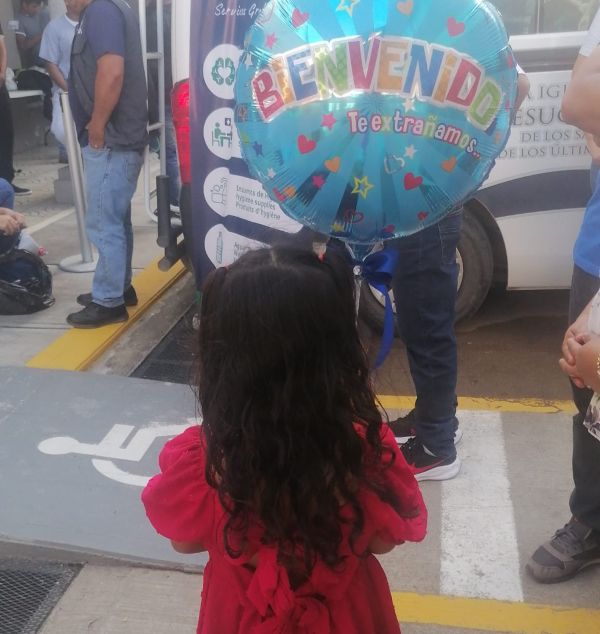
Whether we are meeting with a mother who was deported from the US to Honduras without her two month-old baby, or with policymakers whose decisions have profound effects on people like her, our commitment remains the same: We stand with refugee and migrant women and children. We advocate for their rights, needs, and protection. And we will not stop.