
August 25, 2026 marks nine years since the start of the Rohingya refugee influx that made Cox’s Bazar home to one of the world’s largest refugee populations. WRC has a new report out today on how humanitarian funding cuts have impacted the protection and security of Rohingya women and girls in the camps. The report illustrates the critical value of Women and Girls Safe Spaces (WGSS), and it recommends concrete actions to ensure they remain vital despite the funding cuts.
Among the recommendations:
- WGSS should be treated as an integrated, comprehensive, lifesaving intervention—with gender-based violence (GBV) prevention and risk mitigation activities funded alongside GBV response services.
- Humanitarian actors must preserve dedicated, women and girls-only spaces that are fundamental to women and girls’ sense of safety, trust, and willingness to seek support.
- These efforts must be informed by the experiences, priorities, and leadership of Rohingya women and girls, to ensure that WGSS continue to respond to their changing needs.
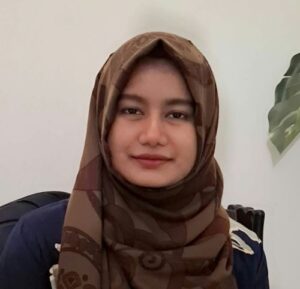
Rumana Akter, who researched and co-authored the report, reflects on its importance:
I’ve been working in the Rohingya humanitarian response in Bangladesh since 2018. Protection has long been one of the most underfunded areas of the humanitarian response, and the protection needs of women and girls are so often overlooked.
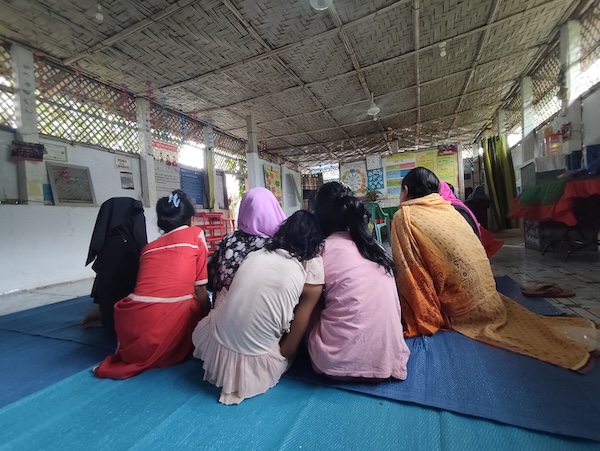
In Cox’s Bazar, violence and insecurity has made many women and girls vulnerable both in their own homes and outside, on the streets of the camps. Women and Girls Safe Spaces (WGSS) are often the only place where they feel truly safe.
Yet in the wake of funding cuts, numerous WGSS have been forced to make adaptations that have reduced the quality and accessibility of services—even though the women who manage the spaces, and the women and girls who frequent them, attest that they are vital to their survival.
More than a safe space, WGSS are a source of psychosocial support, legal assistance, information, skills training, and community. For many women and girls, they are simply a place where they can breathe freely, feel heard, and reclaim a sense of dignity.
This is more than a report—it is a collection of these women and girls’ voices, which deserve to be heard.
Within the report’s pages are the words of a young girl growing up in uncertainty, a pregnant woman preparing to welcome new life, a single mother raising her daughters amid constant safety concerns, a woman with visual and hearing impairments describing what comfort means in one of the world’s most crowded and challenging environments, and a grandmother whose greatest hope is for a better future for the generations that follow her.
They share their needs, fears, and aspirations, and they speak of one place that brings them strength: the WGSS, known locally as Shantikhana or “place of peace.”
I hope readers of the report come away with more than information. I hope they leave with a deeper understanding of what is at stake when we cut funding for gender-based violence prevention and response, a greater appreciation of the strength and resilience of Rohingya women and girls, and a renewed commitment to ensuring that their voices are not only heard, but also met with meaningful action and sustained support.