
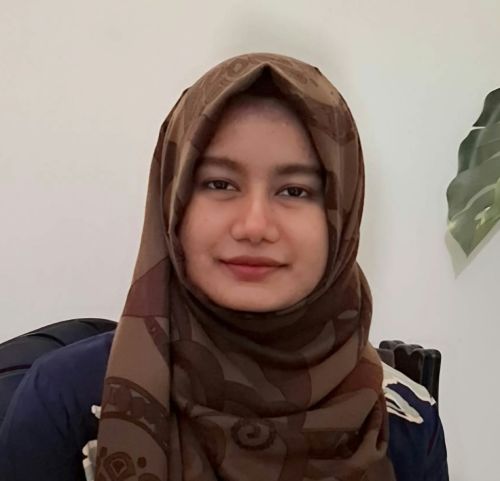
My name is Rumana Akter, and I’ve been working in the Rohingya humanitarian response since 2018, shortly after a surge of violence in Myanmar displaced more than a million Rohingya people to neighboring Bangladesh. With a background in gender-based violence (GBV) programming and research, I served as the researcher and co-author of a new report from WRC, which documents the experiences and needs of Rohingya women and girls in Cox’s Bazar, Bangladesh, the site of the largest refugee camp in the world.
We’ll be releasing the report on August 25, the ninth anniversary of the outbreak of violence that forced nearly one million Rohingya people, a persecuted ethnic minority in Myanmar, to flee to Bangladesh.
In the early days of the influx, I met women who were overwhelmed by displacement and uncertainty. Many depended on others for even the most basic necessities and information. I heard stories of women being trafficked, and I witnessed the psychological distress of those who had lost not only their homes but also their sense of identity and belonging. Many became survivors of GBV, sexual violence, and harassment. Some girls were married off at an early age by families struggling to cope and hoping that doing so would ease the burden of providing food and security. In such circumstances, women and girls are often the easiest targets for exploitation and deception.
But that is not the whole story.
I have also witnessed extraordinary courage. I have seen women become the backbone of their families, stepping into leadership roles despite immense challenges. Many became community volunteers, raising awareness within their own communities and challenging long-held social norms that discouraged women from working alongside men. They built networks, supported one another, and advocated for the needs and rights of women and girls in ways that were once unimaginable.
Nearly nine years later, I see a community that has grown stronger and more informed, despite continued barriers to their full rights and challenges to accessing their needs. Women are more aware of the services available to them, better understand the value of education, and increasingly recognize the importance of financial independence, even though they still rely on humanitarian assistance to survive. There is a greater sense of confidence and stability than in those first difficult years, but that stability remains fragile, shaped by ongoing uncertainty about the future.
After many years, Rohingya women and girls still live with limited choices, relying on others for their safety, livelihoods, and future. Their resilience is undeniable, but resilience should never be mistaken for the absence of need.
I hope that this report will reach those who have the power to shape policies and programs. By listening to what women themselves have said they need and aspire to, these decision-makers can make humanitarian assistance more responsive, relevant, and empowering.
I look forward to sharing the report with you later this month.