Home breadcrumb spacer Programs breadcrumb spacer

Peril or Protection: Making Work Safe
How can you enable women to safely earn a living? Learn More

Read our report.

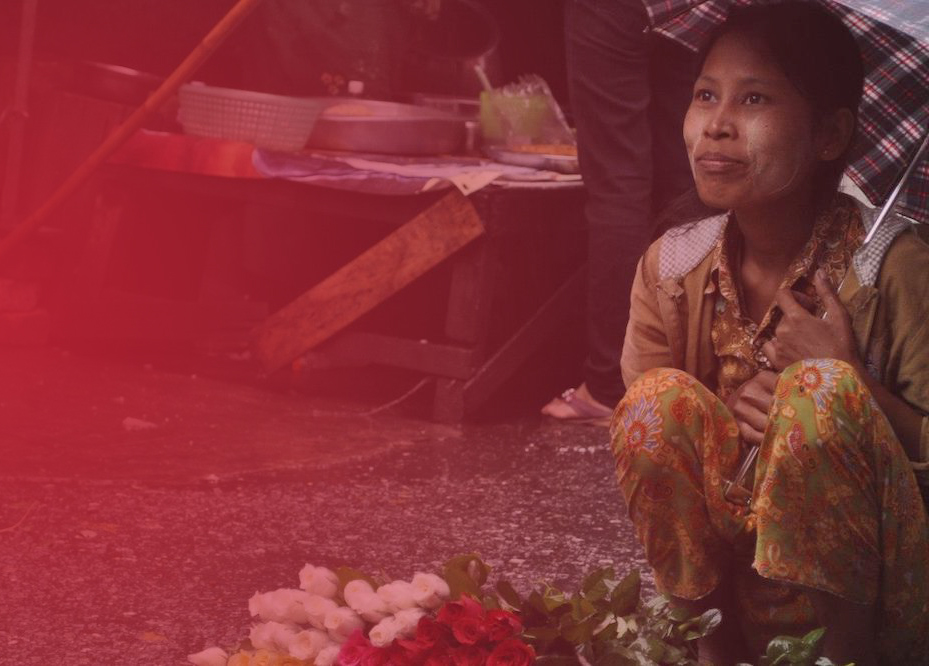
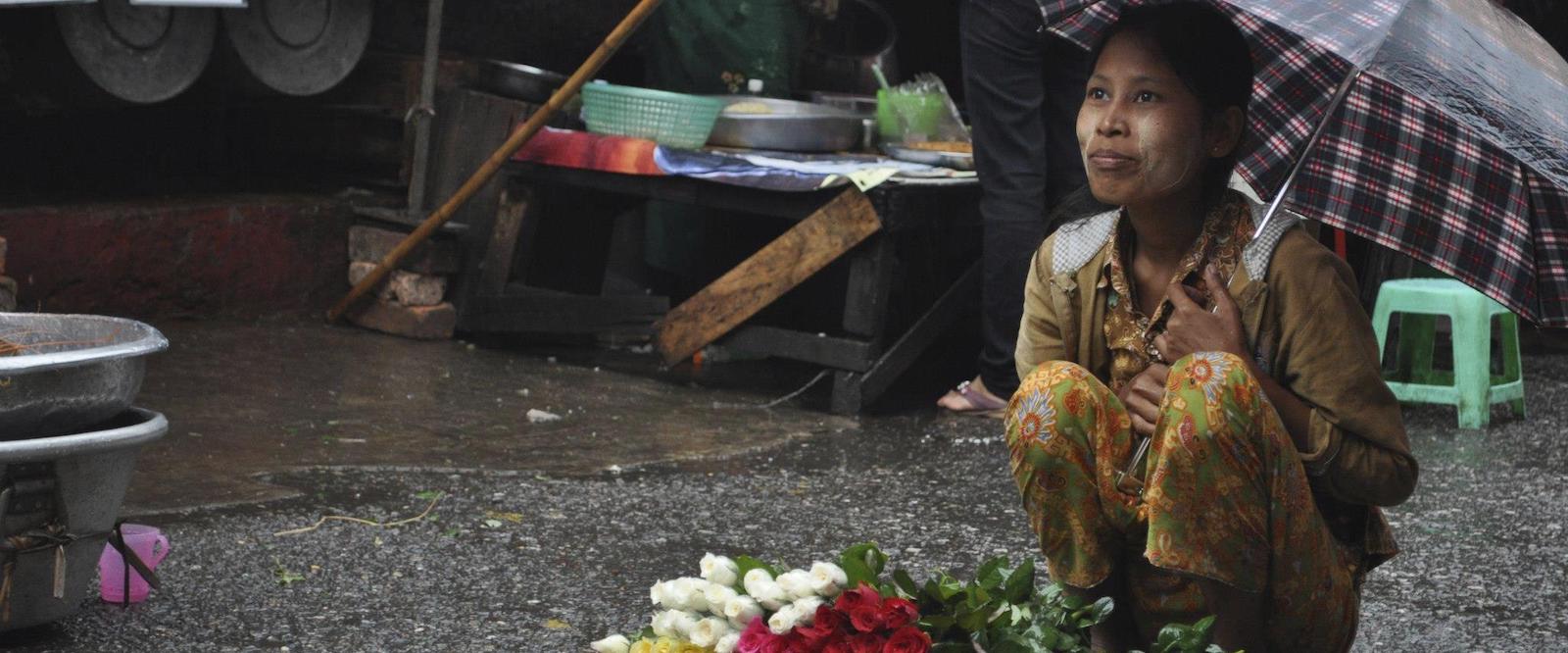
Makeda*—the oldest of seven children—was 14 years old when she escaped violence in Ethiopia with her mother and siblings. Now 26, Makeda has spent almost half of her life as a refugee in the slums of Kampala, Uganda. She works at home during the day, doing chores and caring for the children she and her mother can’t afford to send to school; Makeda regrets that she never had the chance to attend school herself. At night, she braves the streets on her way to a waitressing job, facing frequent harassment by the police.

Life is even more precarious for Ella,* a Congolese refugee in Kampala who turned to commercial sex work because she couldn’t find other employment. She endures not only police harassment, but frequent abuse by clients, the scorn and rejection of her own community, and the threat of up to seven years in prison.

Like Makeda and Ella, many urban and camp-based refugees today find themselves in desperate and dangerous situations. With a typical refugee situation now lasting an average of 17 years, it is crucial that refugees in both urban areas and camps be able to earn a living and sustain themselves and their families. Productive livelihoods are vital for their social, emotional and economic well-being. (The term “livelihood” refers to the capabilities, assets and strategies that people use to make a living.)

Displaced individuals can enhance their livelihoods through several ways: vocational and skills training, self-employment, small business development, microcredit schemes, job and apprenticeship placement programs, food-for-work programs, agriculture and livestock programs and other income-generating activities.

The goal is to strengthen their self-reliance and resilience. Humanitarian workers and program designers should devise strategies that are market-oriented and build on refugees’ existing skills. At the same time, these initiatives have to take into consideration that earning income can increase women’s risk of harm and violence.

The Women’s Refugee Commission researches and develops guidance on appropriate livelihoods for displaced women and youth that recognize their skills, experience and capacities. Our recommendations are oriented around local markets, comprehensive in approach and both safe and sustainable.

*Names changed for anonymity.